
Travel guide
A Practical Guide to South Maui: Beaches, Snorkeling, Where to Base
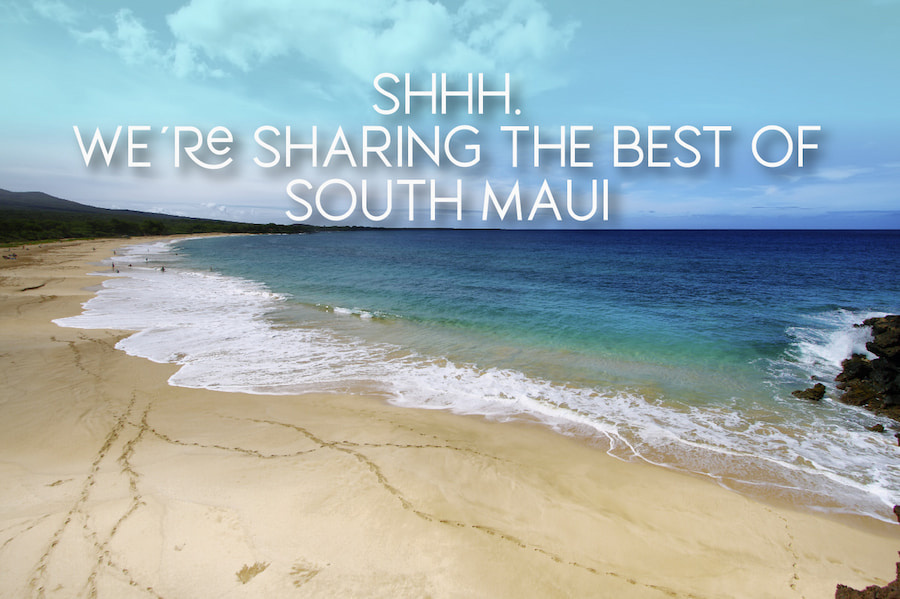
South Maui is the sunny leeward coast from Māʻalaea through Kīhei to Wailea and Mākena, with many of Maui’s most accessible beaches. It is one of Maui’s most popular areas to stay, thanks to reliable weather, accessible beaches, and a high concentration of vacation rentals in South Maui.
This is a planning guide more than an inspiration piece. You’ll find the beaches grouped by use case, the shore snorkel spots that actually work from the sand, the activity ideas worth booking, and a side-by-side on whether Kīhei, Wailea-Mākena, or Māʻalaea is the right base for your group.
TL;DR
For trip-planning purposes, South Maui is often treated as the connected coastal stretch from Māʻalaea through Kīhei to Wailea and Mākena.
It’s best for consistent dry weather, calm swimming beaches, and easy Molokini access from Māʻalaea Harbor.
Kīhei is the budget-friendly base on a six-mile beach strip; Wailea-Mākena is quieter and resort-style; Māʻalaea is closest to the airport and to Molokini boats.
Plan around the trade winds: most South Maui beach days run smoothly until winds pick up in the afternoon.
Where does South Maui begin and end?
South Maui is the leeward coast of Maui (the side sheltered from the trade winds by Haleakalā) and is commonly described as the leeward coast from Māʻalaea through Kīhei to Wailea and Mākena. Kahului Airport sits about 20 to 30 minutes inland from Kīhei, and about 30 minutes from Wailea, both via Piʻilani Highway. The whole region falls in Haleakalā’s rain shadow, which is why it stays sunny on days when West Maui or Hāna are getting drizzle.
In our experience helping renters plan, the most common South Maui mistake is treating Kīhei and Wailea as the same place. They share a coastline, but they’re meaningfully different on price, water conditions, parking, and walkability, covered below.
What are the best beaches in South Maui, and which one fits your trip?
South Maui has more swim-friendly beaches than any other Maui region. The trick is matching the right beach to your group’s day. A short matrix:
Calm, family-tested, lifeguarded: Kamaʻole I in central Kīhei is a popular family beach with a lifeguard tower; check the current County of Maui ocean-safety schedule for staffing.
Long sand walks: Keawakapu Beach (south Kīhei, half-mile-plus of white sand) or Sugar Beach (north Kīhei into Māʻalaea, roughly six unbroken miles).
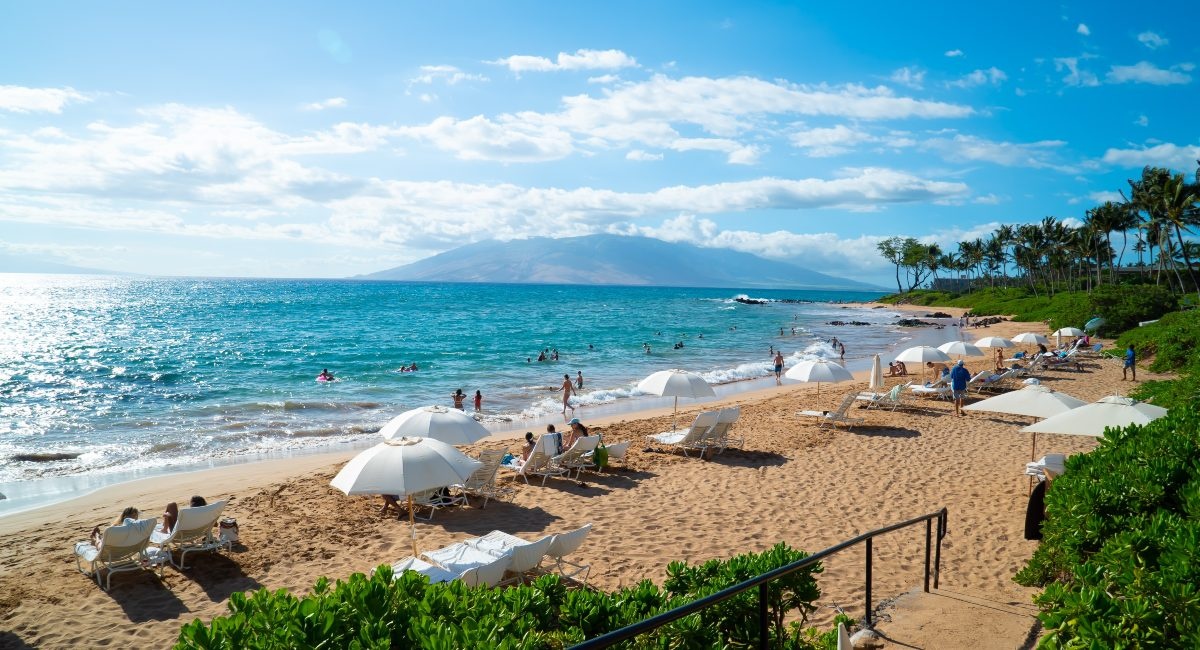
Classic Wailea crescent: Wailea Beach has public access parking, but lots can fill early during busy periods.
Quieter sand, sunset: Polo Beach is often quieter than the more central Wailea beaches.
Off-the-beaten-track, scenic, caution: Mākena State Park (Big Beach / Oneloa). Big sand, big views, and a shore break that turns dangerous fast. The State of Hawaiʻi’s Mākena State Park page warns directly that “shore break can be very dangerous”; this is not a beginner’s swimming beach. Note: Mākena State Park charges parking and entry fees for many visitors; payment options are listed by Hawaiʻi State Parks.
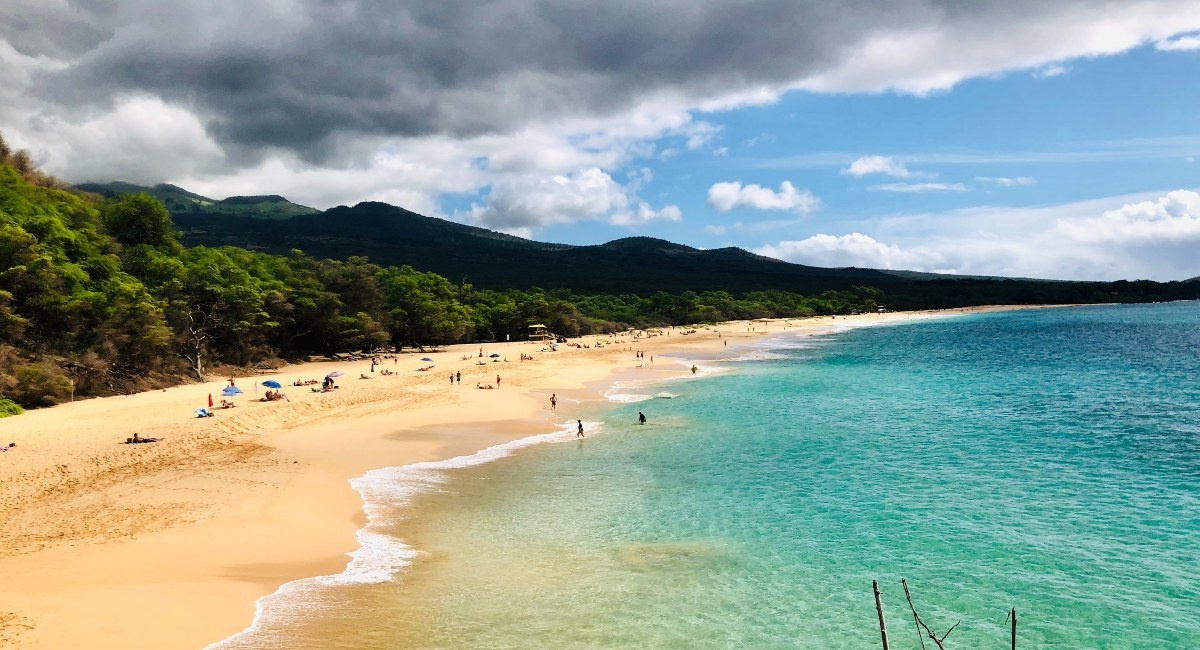
A note on safety: Big Beach is known for powerful shore break and can become hazardous quickly, especially in winter and during southerly (Kona) storms when high surf generates dangerous shore-break waves and rip currents. Treat it as a place to walk, picnic, and watch, rather than wade through.
Where can you actually snorkel from shore in South Maui?
From shore in South Maui, the most reliable shore snorkel spots are Ulua Beach and Mokapu Beach on the Wailea coast, plus the north end of Maluaka Beach in Mākena, often associated with ‘Turtle Town,’ where green sea turtles are commonly seen. Ulua’s rocky edges are often the most productive area for seeing reef fish. Calm mornings before the trade winds rise are your friend; visibility is often best before wind and chop build.
Two safety points worth keeping with you on the beach:
Honu (sea turtles) are federally protected. NOAA Fisheries asks visitors to stay at least 10 feet away; never touch, ride, or block their path back to water.
Hawaiian monk seals are endangered. If you see one resting on the sand, stay at least 50 feet back.
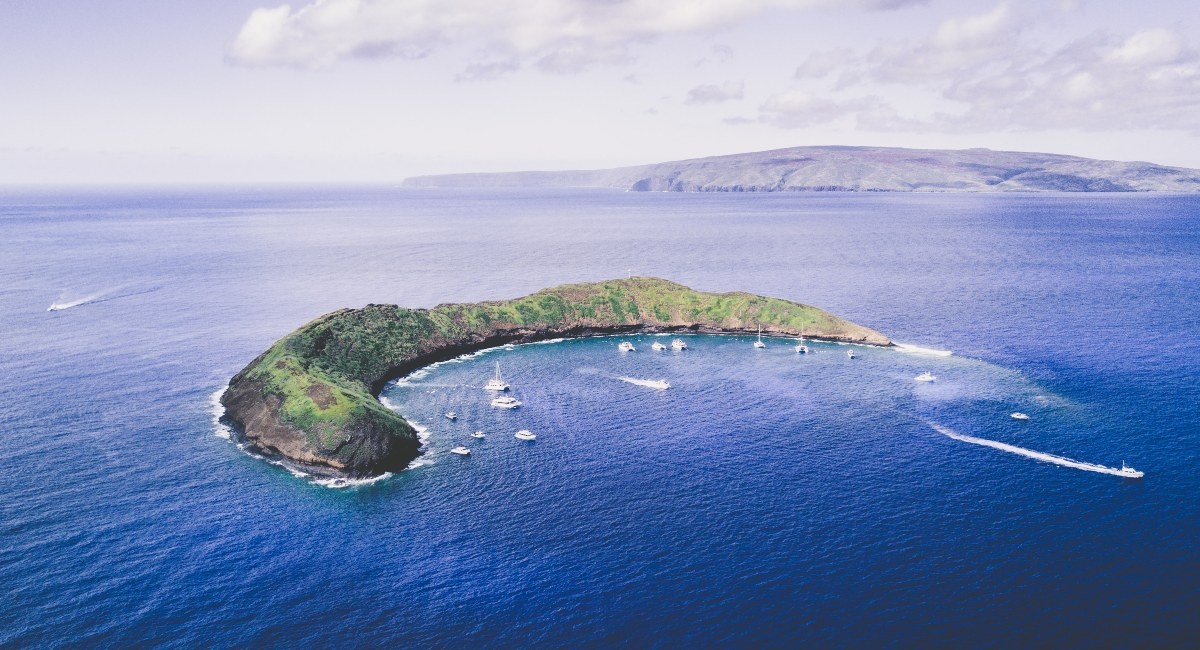
If you want a guided experience, the boat-based snorkel tours to Molokini Crater typically depart from Māʻalaea Harbor, a short drive from north Kīhei, not from Wailea or Kīhei piers. Renters we talk to who plan one big day out are usually surprised by the harbor location. Plan accordingly.
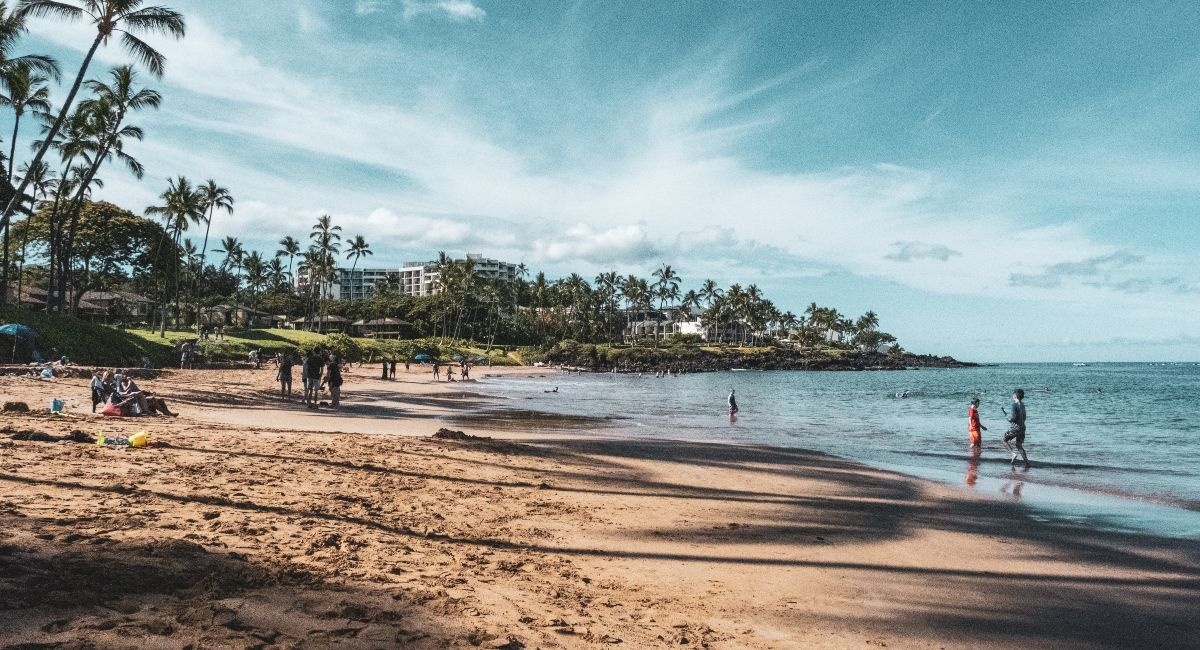
What’s worth doing in South Maui beyond the beach?
The short list:
Molokini Crater snorkel: half-day trips from Māʻalaea Harbor year-round, with the calmest visibility in the early morning.
Humpback whale watching: December through April, with peak season January through March. Even from shore at Wailea, Polo, or Maluaka beaches, breaches and tail slaps are routine in February. The Hawaiian Islands Humpback Whale National Marine Sanctuary tracks the season and runs the Sanctuary Ocean Count community science program.
Haleakalā summit drive: from Kīhei or Wailea it’s roughly 1 to 1.5 hours, depending on where you stay and traffic conditions. Sunrise visits require a reservation; afternoon and evening don’t.
Maui Ocean Center: at Māʻalaea Harbor, about 10 minutes from north Kīhei. A reasonable plan-B day when winds are up.
The Wailea Beach Path: a paved, flat 1.5-mile walk connecting Mokapu, Ulua, Wailea, and Polo beaches. Sunset is the obvious time.
We’ve watched first-time visitors try to add the Road to Hāna to a South Maui base, then come back regretting the drive. From Kīhei or Wailea, driving from South Maui to begin the Road to Hāna adds substantial time and makes for a full-day outing.
Where should you eat in South Maui?
South Maui dining breaks into two zones:
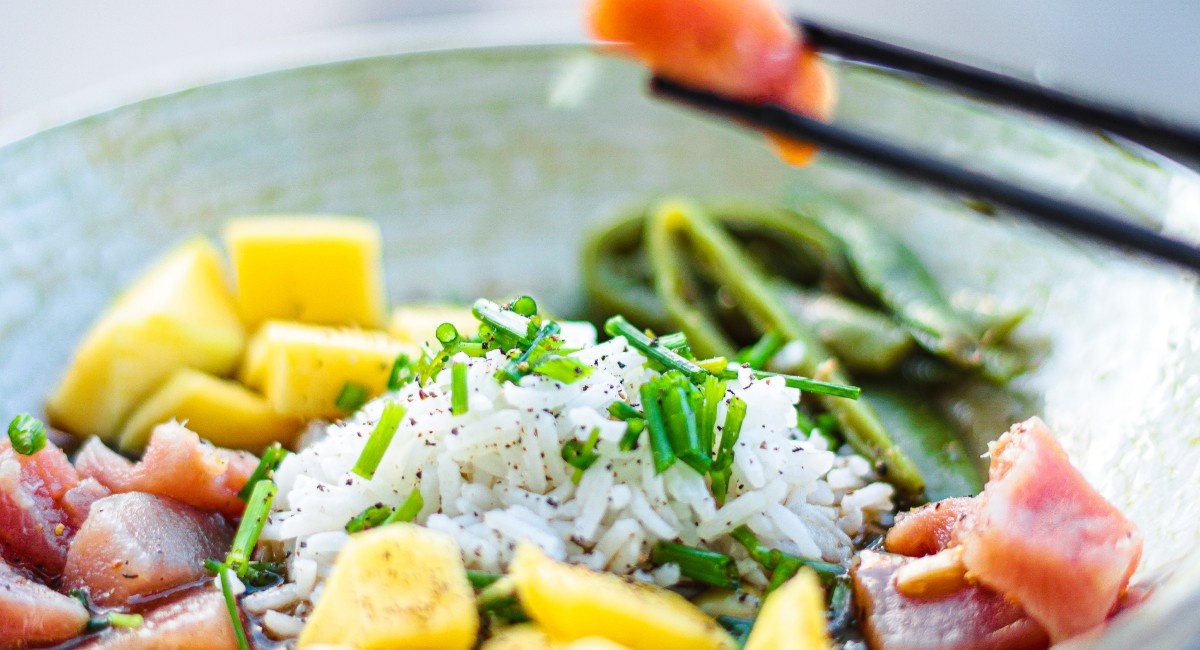
Casual, local-leaning, Kīhei side: Kihei Caffe at 1945 South Kīhei Road for breakfast (the line moves), Coconuts Fish Café for poke bowls and fish tacos (two Kīhei locations on South Kīhei Road), and Ululani’s Hawaiian Shave Ice at 61 South Kīhei Road, the local standard for shave ice, pure cane sugar and fruit purees.
Resort-area, Wailea side: Monkeypod Kitchen at the Wailea Gateway Center (wood-fired pizza, the Monkeypod Mai Tai), Matteo’s Osteria at 161 Wailea Ike Place for Italian, and The Restaurant at Hotel Wailea for an intimate tasting-menu evening: 3-course and 5-course menus, plus a Chef’s Garden Table for a customized five-course experience.
One operational note: Gannon’s at the Wailea Gold golf course closed in February 2026 and the same address (100 Wailea Golf Club Drive) is now operating as Gather on Maui under different management. If you booked Gannon’s from an older trip-planning list, call Gather directly to confirm hours.
The Kīhei Farmers Market runs Saturdays at the Kalama Park lot with produce, baked goods, and crafts.
Where should you base: Kīhei, Wailea-Mākena, or Māʻalaea?
This is the South Maui planning decision. A clean side-by-side:
Vibe: Kīhei: Casual, condo-heavy, walkable strip; Wailea-Mākena: Quieter, resort-style, more landscaped; Māʻalaea: Small harbor town, minimal nightlife
Beach access: Kīhei: Six-mile strip, easy from most condos; Wailea-Mākena: Four connected beaches, parking fills early; Māʻalaea: Sugar Beach + harbor frontage
Typical nightly rate: Kīhei: Typically the most budget-friendly; Wailea-Mākena: Typically the priciest; Māʻalaea: Often somewhere in between
Closest to Kahului Airport (approx.): Kīhei: 20 to 30 min; Wailea-Mākena: ~30 min; Māʻalaea: ~15 min
Closest to Molokini boats (approx.): Kīhei: 5 to 10 min to Māʻalaea Harbor; Wailea-Mākena: 20 min to Māʻalaea Harbor; Māʻalaea: Walking distance
Closest to Haleakalā summit (approx.): Kīhei: 60 to 90 min; Wailea-Mākena: 60 to 90 min; Māʻalaea: 70 to 100 min
Best for: Kīhei: First-timers, families, value; Wailea-Mākena: Quieter stays, walking to Beach Path; Māʻalaea: Anglers, Molokini-heavy itineraries
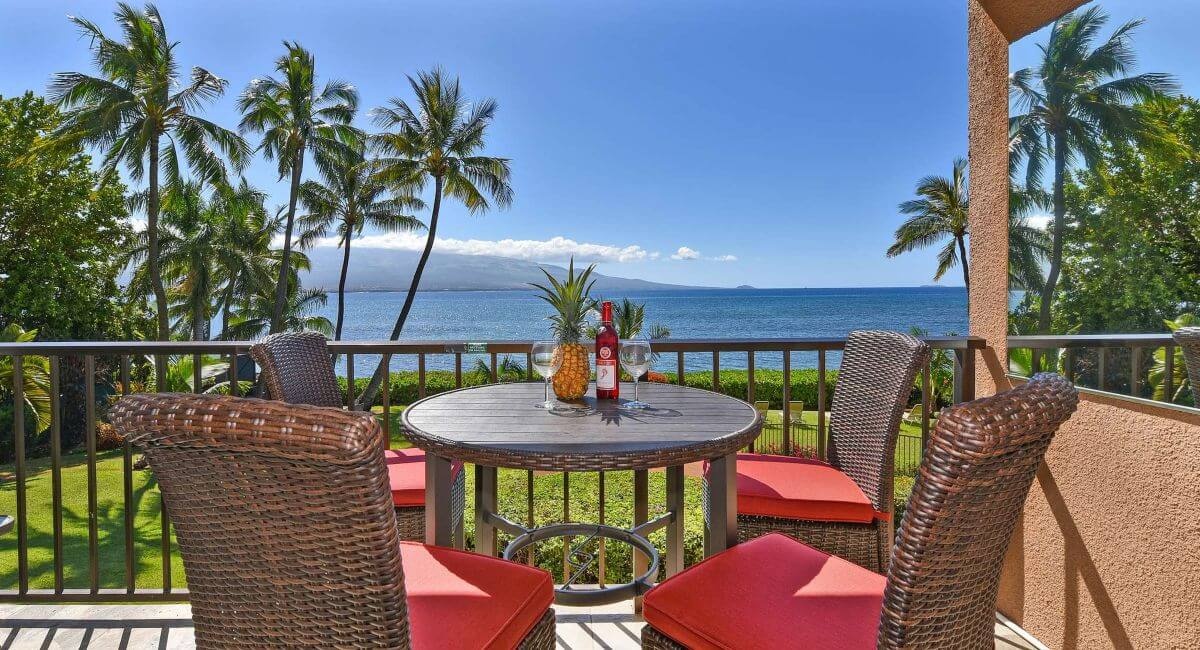
If you’re booking a Maui Paradise Properties stay, the Kīhei vacation rentals, Wailea vacation rentals, and full South Maui vacation rentals browses each cover the local inventory. Our companion piece on the best Kīhei vacation rentals walks through five specific properties paired with the beach each one accesses. Every reservation with Maui Paradise Properties includes the Starter Kit (beach towels, chairs, cooler, plus shampoo and laundry starter supply) and one free ticket per day for activities through our Xplorie partnership; free activities included with your stay explains the program.
When is the best time to visit South Maui?
South Maui is genuinely year-round. That said:
April to May and September to October: the value windows. Drier than the December rain peak in West Maui, lighter crowds, lower rates, often the easiest beach-lot parking of the year.
December to April: whale season and peak demand. Sightings from shore in February are routine, but rates climb and parking gets harder.
Summer (June to August): warm, sunny, and family-busy with school holidays. Excellent water conditions; afternoon trade winds are most reliable.
Guests who base in Kīhei tell us they wake up to consistent sunshine in months that are still drizzling in West Maui; that’s the trade-wind shadow at work, and it’s the single biggest reason South Maui exists as a tourism region. The Maui whale season guide covers the December to April window in more detail.
What should you know before you go?
Parking is the constraint. We’ve watched the Wailea beach-access lots fill by 9 am in March; if you’re staying in Kīhei and driving south, leave by 8:30. Kamaʻole and Kīhei street parking turn over more often. Mākena State Park now charges for parking.
Wind picks up most afternoons around 2 pm. Plan beach mornings, indoor afternoons, and evening Beach Path walks once the wind dies down at sunset.
Reef-safe sunscreen is the law. Hawaiʻi state law restricts the sale of sunscreens containing oxybenzone and octinoxate, and Maui County goes further by allowing only mineral sunscreens unless prescribed; DLNR’s sunscreen advisory explains the reasoning.
All Hawaiʻi beaches are public to the high-water mark, including the sand fronting resorts. The resorts own the grounds; the beach itself is yours.
Drive carefully on Piʻilani Highway: speed limits change quickly, and locals drive the limit. The driving on Maui guide covers it more fully.
Frequently asked questions
Is South Maui worth visiting?
Yes, for travelers who want the most consistent dry weather on Maui, calm swimming beaches, and easy access to Molokini snorkel boats from Māʻalaea Harbor. It is also the most condo-heavy region of the island, which gives you broader pricing flexibility than West Maui or Hāna.
Is Kīhei or Wailea better?
It depends on your trip. Kīhei is more budget-friendly with a longer continuous beach strip; Wailea is quieter, more resort-style, and has the cleanest shore snorkeling on the South Maui coast. Both are 5 to 10 miles apart, so you can stay in one and easily visit the other.
What is the best beach in South Maui?
For families with kids: Kamaʻole I in Kīhei, where the lifeguard tower and calm typical conditions make it the most family-tested stretch in the region. For shore snorkeling: Ulua Beach in Wailea. For long walks: Keawakapu in south Kīhei or Sugar Beach in north Kīhei. For solitude with a view: Big Beach (Mākena State Park), but treat it as a place to walk and picnic, not swim.
Can you snorkel from shore in South Maui?
Yes, the most reliable shore-snorkel entries are Ulua Beach and Mokapu Beach in Wailea, plus the north end of Maluaka Beach (Turtle Town) in Mākena. Early mornings are calmest. For the Molokini Crater experience, boat tours depart from Māʻalaea Harbor in north South Maui.
How far is South Maui from Kahului Airport?
Kīhei is roughly 20 to 30 minutes by car via Piʻilani Highway (Route 31). Wailea is about 30 minutes. Māʻalaea Harbor is the closest of the three at about 15 minutes from the airport.
When is whale season in South Maui?
December through April, peaking January through March, per the Hawaiian Islands Humpback Whale National Marine Sanctuary. Shore-based sightings are routine from Wailea, Polo Beach, and Maluaka; bring binoculars.
Is Big Beach (Mākena State Park) safe for swimming?
Big Beach has a serious shore break, especially in winter and during southerly storms. The State of Hawaiʻi Mākena State Park page warns about it directly. Many travelers visit to walk, picnic, and watch, not to swim.
Where do Molokini snorkel tours leave from?
Māʻalaea Harbor in north South Maui, about 5 to 10 minutes from north Kīhei and about 20 minutes from Wailea. Not from a Kīhei pier and not from a Wailea boat ramp.
About this guide
This guide was researched and written by the Maui Paradise Properties editorial team. Primary sources include the Hawaiʻi Tourism Authority’s Go Hawaiʻi South Maui page, the Hawaiian Islands Humpback Whale National Marine Sanctuary, and the Hawaiʻi DLNR Division of State Parks page for Mākena State Park. Secondary sources include the County of Maui beach lifeguard schedule, the DLNR sunscreen advisory on Act 104, and recent on-the-ground reporting from our property hosts in Kīhei and Wailea.
A guide is only as current as the time it was written. We update this piece on a rolling basis. If you spot a beach amenity, restaurant, or business listing that no longer matches, let us know.